
History & Culture of Oysters
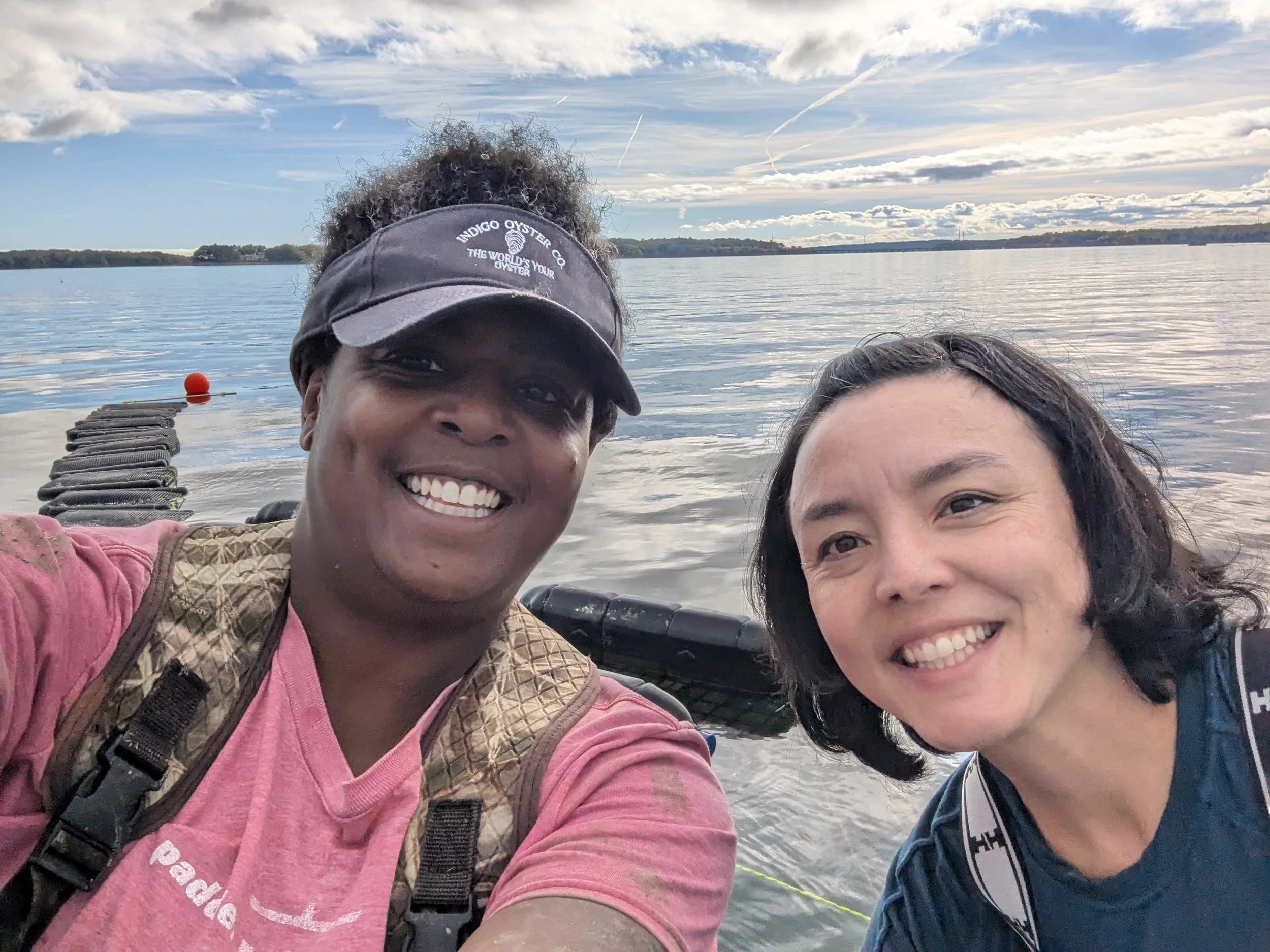
IOC is founded on three guiding principles: oyster culture, accessibility, and sustainability. Through our journey as oyster farmers, we've come to appreciate the important role oysters play in supporting healthy communities. They strengthen local economies, provide nutritious food, and help protect the marine environment.
To support the community IOC will donate 1% of our gear sales to local nonprofits. We will announce our selected cultural nonprofits on our newsletters and Instagram.
For thousands of years, oysters have nourished people across cultures and generations—from early settlers and America's Founding Fathers to formerly enslaved people who relied on them as an abundant source of nutrition. Their accessibility and exceptional nutritional value once earned them a reputation as a food "only suitable for a poor man's pot." Today, we recognize that history not as a mark of humble status, but as a testament to the oyster's enduring ability to sustain communities.
Understanding this rich history is the foundation of true oyster appreciation. Few foods have connected people to the sea for as long as oysters have. At IOC, we hope you'll discover your own connection to this remarkable food and carry a deeper appreciation with you the next time you enjoy an oyster or two.
200 million years ago fossilized oysters are found on all continents
164,000 years ago the oldest proof of oyster consumption, remains of shucked oysters found in Mossel Bay South Africa
60,000 years ago oyster middens found in Australia by the Ngaro aborigines
12,000 years ago Native Americans, the Wampanoag Tribe of all the continental Americas harvest oysters
475 BC Fan Li publishers Yang Yu Ching which translates to the Treatise on Fish Breeding the first known aquaculture document.
206 BC - 220 AD oyster farming documented during the Han Dynasty of China
1609 almost half of the world’s entire oyster population lay in 220,000 acres of oyster beds in the Hudson River and New York Harbor. The Lenape tribe would wrap oysters in seaweed then throw into a fire to open and then enjoy. Chesapeake was also plentiful with oysters and was the main source of sustenance for founding families of Jamestown, helping them survive winter.
1776 Philadelphia's population of 35,000 consumed millions of oysters from the Delaware River.
1800’s Black Americans from New York to Chesapeake dominate oystering
Japanese and Chinese immigrants arrive in the 1860’s.
1825 Thomas Downing, born free from enslaved parents, opens an international oyster cellar in the financial district of NYC, shipping pickled oysters to England and providing fine dining locally.
1828 Sandy Ground on Staten Island, NY is settled. It’s the oldest continuously inhabited free Black American community in the U.S. It was a significant oyster harvesting community from 1820’s to 1920’s.
1830s John and Thomas Vreeland were oystermen on the Hudson in New Jersey.
1863 Abraham Lincoln issues the Emancipation Proclamation
1880’s John Mallory Phillips, oysterman and community contributor through philanthropy, commanded his own fleet in Hampton, Virginia.
Early 1900’s In Seattle the Japanese dominated the oyster labor force
1924 typhoid outbreak from sewage pollution lowered demand of oysters
1900s overharvesting, runoff from deforestation for agriculture and pollution decimated the wild oyster population on the east coast. It is estimated that current populations of the Chesapeake Bay are only 0.3% of what was the 1800s amount.
1970’s gradual climate change and industrial pollution continued decline in oyster farming especially in Black American communities.
2010s to 2020s Maine’s oyster farming increases 78% due to rising demand, pristine waters, technological advances and climate-driven temperatures.
2024 Indigo Oyster Company was established in Maine, the first Asian and Black owned oyster farm in the state, that we know of.
Community Supported Aquaculture
What is a CSA?
Traditionally, a CSA stands for “Community Supported Agriculture,” but in the Oyster Business, we let it stand for “Community Supported Aquaculture.”
A CSA is a production and marketing model where consumers can buy an agreed amount of products in advance from a farm. Models differ from farm to farm, but overall, consumers then pledge support allowing farmers immediate financial support in their farming season. The consumer and the farmer enter a relationship of mutual support founded in land stewardship, sustainability, and high quality food.
Did you know?
The CSA Concept originated in Japan in the 1960s by a group of women who were concerned with the use of pesticides in their food, the increase of processed and imported foods, and the loss of land and farmers in their food systems.
Booker T. Whatley, a black author, horticulturist, veteran, and professor at Tuskegee University, introduced the idea of “Clientele Membership Clubs” in the 1970s, a concept linked directly to modern day CSA programs. Whatley promoted a “work smaller and smarter” mentality to black farmers that rooted them in relationships with their land, product, and their communities.